Liquor, often referred to as spirits, is a distilled alcoholic beverage that has been enjoyed for centuries across cultures worldwide. It has a rich history, diverse types, and a wide range of uses in both social and culinary settings. Whether sipped straight, mixed into cocktails, or paired with meals, liquor plays a central role in socializing and celebrations. Understanding the different types of liquor, its historical significance, and the best ways to enjoy it can enhance the experience for both casual drinkers and connoisseurs alike.
The history of liquor dates back thousands of years, with 威士忌推薦 , it was the Arabs who are credited with perfecting the art of distillation around the 9th century. Over time, this knowledge spread to Europe, where liquor gained popularity, particularly among the nobility and later, the general populace. By the 16th century, the production and consumption of spirits had become widespread in Europe, setting the stage for the global liquor industry we know today.
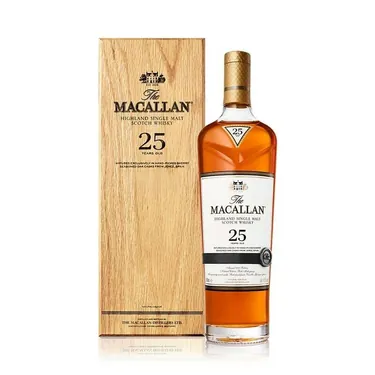
One of the key characteristics of liquor is its alcohol content, which typically ranges from 20% to 40% ABV (alcohol by volume). This makes it significantly stronger than beer or wine. The strength of liquor comes from the distillation process, which involves heating a fermented liquid to extract alcohol. Different base ingredients, such as grains, fruits, or sugar, are used to create various types of liquor, each with distinct flavors and characteristics.
The primary types of liquor include whiskey, rum, vodka, gin, tequila, and brandy. Whiskey, often made from grains like barley, corn, and rye, is known for its rich, complex flavor that can vary depending on the aging process and the region of production. Rum, made from sugarcane or molasses, is commonly associated with tropical regions and has a sweet, often spicy taste. Vodka, typically made from grains or potatoes, is renowned for its smoothness and versatility in cocktails. Gin, flavored with juniper berries and other botanicals, is known for its refreshing, herbal qualities, while tequila, made from the blue agave plant, is central to Mexican culture and offers a unique earthy flavor. Lastly, brandy, often made from wine or fermented fruit, is a rich, fruity liquor that is typically aged to enhance its depth of flavor.
In addition to these primary categories, there are also many subcategories and variations, such as Scotch whiskey, bourbon, and rum spiced with exotic ingredients. Each type of liquor has its own distinct characteristics, making it suitable for different tastes and occasions. For instance, a neat pour of whiskey might be perfect for a quiet evening of contemplation, while a gin and tonic is a popular choice for a lively gathering.
When it comes to enjoying liquor, there are many ways to savor its flavors. Straight liquor, served in a glass at room temperature, allows the drinker to experience the full profile of the spirit. However, many prefer to mix their liquor into cocktails, which can balance the strength of the alcohol with the sweetness or bitterness of mixers. Cocktails such as the Margarita, Old fashioned, and Mojito are classics that highlight the versatility of liquor in mixed drinks.
Beyond personal enjoyment, liquor has also played a crucial role in cultural traditions and rituals. It’s commonly consumed during celebrations such as weddings, holidays, and festivals, and is often involved in toasts and bonding moments between friends and family. Liquor also features prominently in the culinary world, where it is used in cooking to add depth and complexity to dishes or sauces.
In conclusion, liquor is not just a drink but a historical, cultural, and social phenomenon that has shaped the way people interact and celebrate across the world. Whether you enjoy it straight, mixed, or paired with a fine meal, understanding the different types of liquor and their unique characteristics can elevate your drinking experience and deepen your appreciation for this timeless beverage.