Children drawing classes offer more than just an opportunity for kids to scribble with crayons or paint with brushes—they serve as a crucial platform for emotional expression, cognitive growth, and creative exploration. As young minds absorb the world around them, drawing becomes a natural 創意學堂 to communicate thoughts, emotions, and observations that they may not yet have the vocabulary to express. Structured drawing classes nurture this creative instinct, transforming it into a powerful tool for personal development.
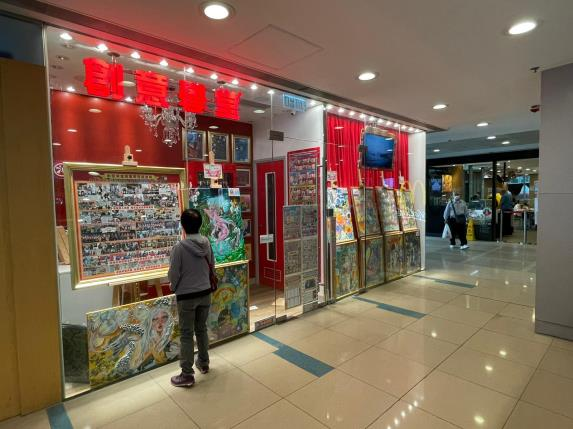
One of the most important benefits of drawing classes for children is the enhancement of fine motor skills. Through holding pencils, manipulating brushes, and coordinating hand movements, children improve their dexterity and hand-eye coordination. These are fundamental skills that also support other essential activities like writing, typing, or tying shoelaces. In structured classes, exercises are often designed to gradually build these abilities while keeping the process enjoyable and engaging for young learners.
Beyond motor skills, drawing classes also play a pivotal role in cognitive development. Children learn to observe their surroundings more carefully, interpret shapes and forms, and visualize objects before translating them onto paper. They are introduced to concepts such as symmetry, perspective, and proportion—principles that stretch their understanding of spatial relationships and geometry. This foundational training can benefit future learning in subjects like mathematics, science, and even architecture or engineering.
Emotionally, drawing can be an incredibly therapeutic activity. It allows children to process feelings they may not fully understand or articulate. Drawing classes create a safe and encouraging environment where self-expression is celebrated rather than judged. When a child sees their artwork appreciated, it boosts their self-esteem and confidence. Additionally, collaborating with peers during group activities promotes social interaction and teaches important values like sharing, patience, and appreciation of others’ perspectives.
Moreover, children drawing classes spark imagination and cultivate a lifelong love for the arts. Instructors often expose students to a variety of styles, mediums, and techniques—from charcoal sketching and watercolors to digital art and animation. Exposure to famous artists and different cultural art forms also broadens their worldviews. As children experiment with new ideas and materials, they begin to develop their unique artistic voices. Some may even discover a passion that inspires a future career path in creative industries such as design, illustration, animation, or fine arts.
In conclusion, enrolling children in drawing classes provides far-reaching benefits that go well beyond simple artistic skills. These classes promote physical coordination, cognitive growth, emotional health, and creative thinking—all essential elements of a well-rounded education. As society becomes more aware of the need for balanced development in children, drawing and other visual arts should no longer be seen as optional extras, but as vital components of early learning. Encouraging artistic expression through structured programs ensures that children not only become better learners, but also more confident and imaginative individuals, ready to think creatively in whatever field they choose to pursue.